
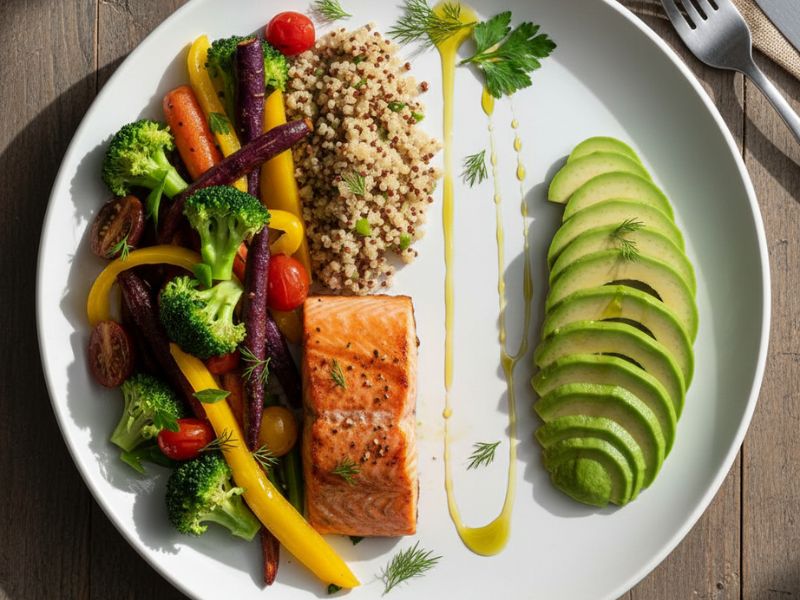
Finding the right foods to reverse prediabetes feels overwhelming after your diagnosis. You’re standing in the grocery store, and suddenly everything feels like a minefield.
Low-carb bread or whole wheat? Greek yogurt or the regular stuff? Wait, are bananas actually dangerous now?
You’ve googled it. You’ve read the articles. And somehow you ended up with seventeen different answers that all contradict each other.
Here’s the truth: understanding which foods to reverse prediabetes doesn’t require a nutrition degree. What it needs is evidence-based clarity without the wellness industry nonsense.
That’s exactly what we’re covering today.
A Quick, Important Note: If you’re already on medication for blood sugar, blood pressure, or other conditions, please talk to your doctor or pharmacist before making big dietary changes or adding supplements. As you improve, your medication needs may change—a good problem that needs professional monitoring.
How Foods Actually Reverse Prediabetes
Most people think reversing prediabetes is just about “cutting out sugar.” That’s not wrong, but it’s incomplete.
In fact, your blood sugar responds to everything you eat. Carbohydrates break down into glucose. Proteins affect insulin release. And fats slow digestion, which moderates blood sugar spikes.
Understanding this connection is crucial, especially since managing stress is just as important as choosing the right foods for blood sugar control.
So, when we talk about reversal foods, we’re really talking about foods that improve your insulin sensitivity. Your cells start responding better to the insulin you produce.
However, this isn’t about eating perfectly. It’s about building consistent patterns that help your body regulate blood sugar more effectively over time.
Before we get into the specific foods, here’s what most people miss: this isn’t about willpower. Your pancreas is doing a team’s work alone right now. When you send sugar into your bloodstream without fiber, protein, or fat to support it, your pancreas drowns trying to handle the load solo. You’re not weak. Your system is overwhelmed. The foods we’re about to cover aren’t “diet foods”—they’re the support team your pancreas desperately needs.
What does ‘reversal’ mean? It means getting your HbA1c and fasting glucose back into the normal range and keeping them there. Your timeline depends on genetics, stress, sleep, activity levels, and how consistently you implement changes.
As a pharmacist, I see this often: successful dietary changes can help many people avoid or delay medications like metformin. Food is powerful medicine.
The Core Foods to Reverse Prediabetes: Your Evidence-Based Guide
Let’s get specific. These are the foods that scientific evidence shows help reverse prediabetes when eaten consistently.
1. Fiber-Rich Vegetables (Your Foundation)
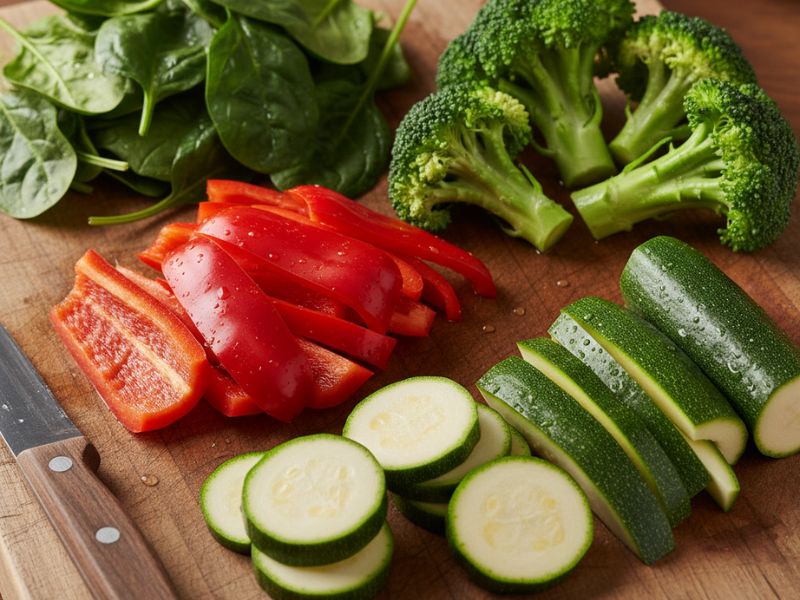
Think: Spinach, kale, broccoli, cauliflower, bell peppers, zucchini.
Fiber slows glucose absorption, leading to smaller blood sugar spikes. It also feeds beneficial gut bacteria, which improve insulin sensitivity. Aim to fill half your plate with these at most meals.
2. Lean Proteins (Your Stabilizer)
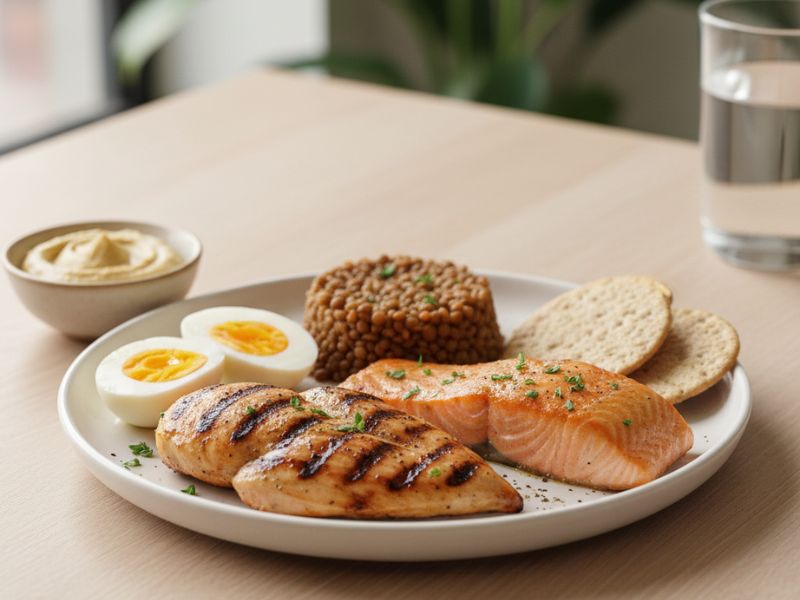
Think: Chicken, turkey, fish (especially salmon), eggs, lentils, chickpeas, tofu.
In contrast, protein doesn’t spike blood sugar like carbs do. It keeps you full, helps preserve muscle mass (crucial for glucose metabolism), and triggers less insulin release. Include a palm-sized portion with each meal.
3. Healthy Fats (Your Moderator)
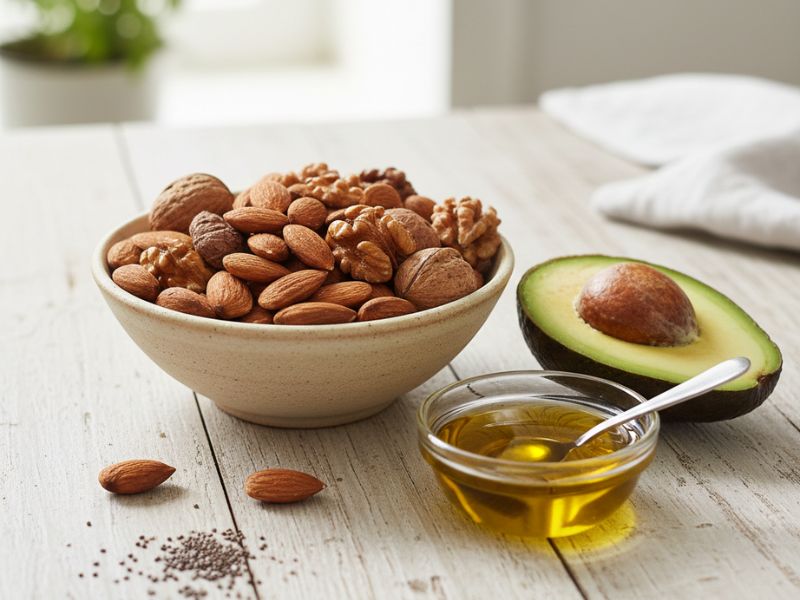
Think: Avocados, almonds, walnuts, chia seeds, flaxseed, olive oil.
Fats slow digestion, moderating your blood sugar response. They also reduce inflammation, which is directly linked to insulin resistance. The key is balance—a thumb-sized portion per meal is perfect.
4. Whole Grains (The Nuanced Truth)
Think: Steel-cut oats, quinoa, barley, brown rice.
Yes, they have carbs. But their fiber slows glucose absorption. Some people tolerate them well; others do better minimizing them initially. This is where personal testing is key.
Your Best Tool: A Glucose Meter
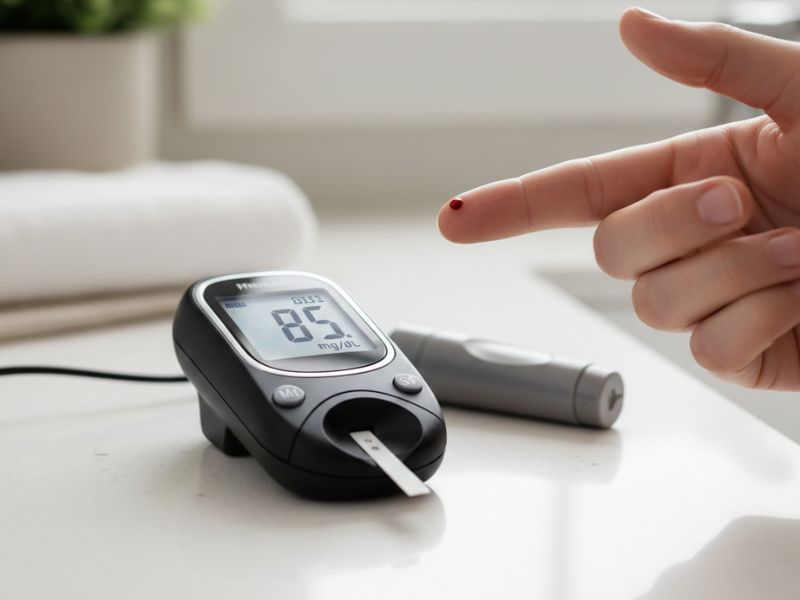
Check your blood sugar before eating and two hours after. Track which foods spike you significantly higher than your baseline. Your doctor or pharmacist can help you interpret your readings and adjust portions accordingly.
Testing is especially important if you suspect insulin resistance. (Recognizing the early warning signs at home can help you act before patterns become harder to reverse.)
If you include whole grains, keep portions to a quarter of your plate and always pair them with protein and fat.
Putting It All Together: The Plate Method
Forget complicated rules. Use this simple, visual guide for every meal:
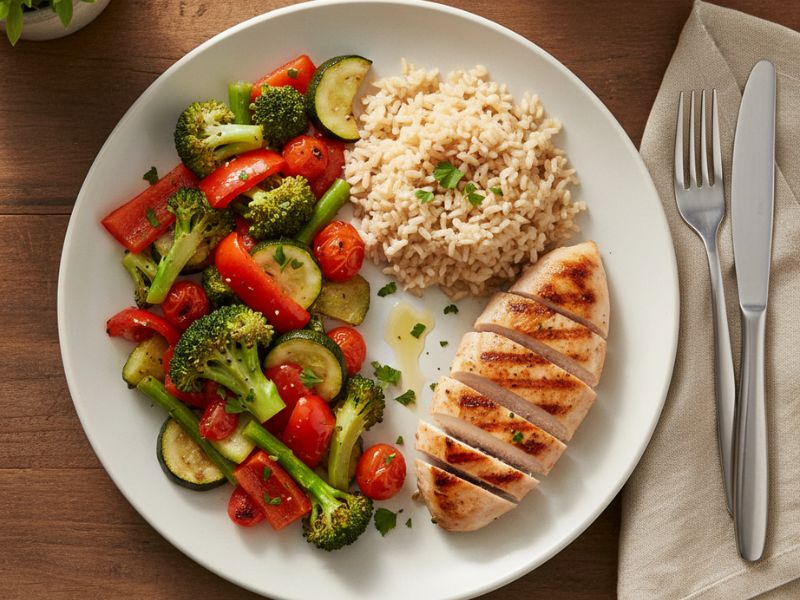
The Plate Method:
- Half your plate: Non-starchy vegetables (broccoli, salad, peppers)
- Quarter plate: Protein (chicken, fish, lentils)
- Quarter plate: Grains/starch (optional – brown rice, quinoa)
- Add: Thumb-sized portion of healthy fat (avocado, olive oil)
This method ensures balance without counting or guilt. Follow it 80% of the time. The other 20% allows for life to happen without derailing your progress or creating shame.
A Realistic Day of Eating Foods That Reverse Prediabetes
A Realistic Day of Eating
Breakfast: Two-egg omelette loaded with mushrooms and tomatoes, side of half an avocado. Or Greek yogurt topped with a handful of berries and crushed walnuts.
Lunch: Chicken strips over mixed salad leaves with cucumber, cherry tomatoes, and a drizzle of olive oil. Or a bowl of homemade vegetable soup with red speckled beans and a slice of whole-grain toast.
Dinner: Pan-fried hake with roasted courgettes and cauliflower mash. Or beef mince stir-fry with peppers, onions, and a small portion of brown rice.
Smart Snack Foods to Reverse Prediabetes
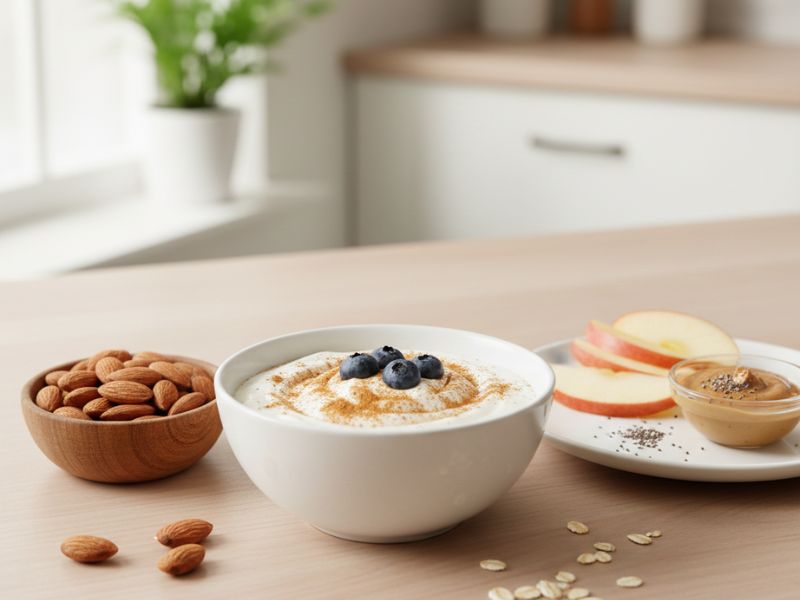
A handful of almonds. Greek yogurt with cinnamon. Apple slices with almond butter.
Key Snacking Tip: Whole fruits (like an apple or berries) are fine—their fiber slows sugar absorption. Avoid juice, dried fruit, or fruit in syrup.
Essential Foods to Reverse Prediabetes: Your Shopping List
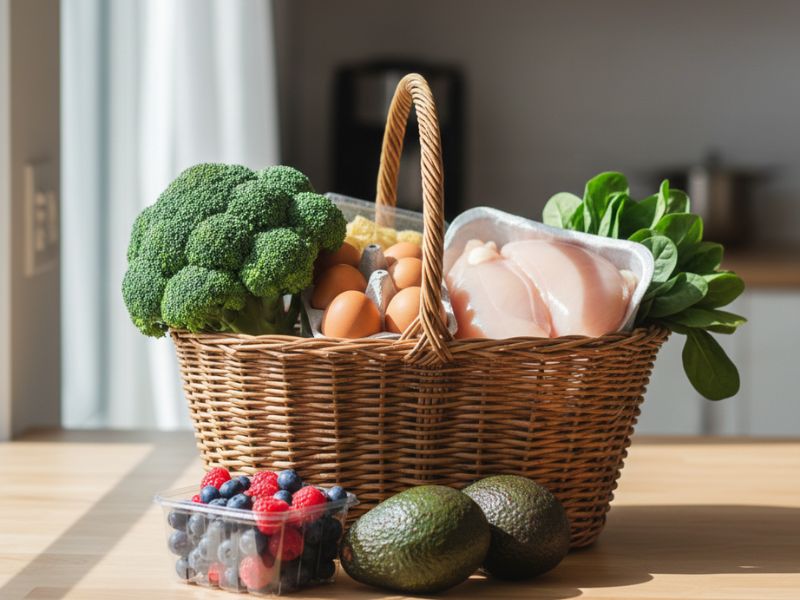
Your basic grocery list:
| Category | Examples |
| Vegetables | Leafy greens, broccoli, cauliflower, bell peppers |
| Proteins | Chicken, fish, eggs, legumes (lentils, chickpeas) |
| Healthy Fats | Avocados, nuts, seeds, olive oil |
| Fruits | Berries, apples, other low-glycemic fruits |
| Pantry | Steel-cut oats, quinoa (if tolerated), Greek yogurt, herbs & spices |
Notice what’s missing? Highly processed foods. Added sugars. Refined carbohydrates. That’s intentional.
Foods to Reduce (Not Necessarily Eliminate)
Gradual reduction works better than strict elimination. Small swaps compound over time.
Ultra-Processed Foods: Packaged snacks, fast food. They spike blood sugar fast and offer little nutrition.
Added Sugars: Cooldrinks, sweetened drinks, pastries. [One can of regular cooldrink has about 39g of added sugar—close to or exceeding the daily limit recommended by most health organizations (25-50g depending on total calorie intake)].
Refined Carbs: White bread, white rice, regular pasta. Swap for whole-grain versions a few times a week to start.
The shift here is gradual. Maybe you swap white rice for brown rice a few times a week. Or you choose whole grain bread instead of white. Small changes compound over time.
Here’s what’s important to understand: this isn’t about restriction for the sake of restriction. It’s about making room for the foods that actually help your body regulate blood sugar effectively.
Making It Work in Real Life
Alright, theory is great. But how do you actually implement this when you’re tired, busy, and life is happening?
Simple Meal Prep Strategies
Here is the good news: meal prep doesn’t have to be complicated. Spend an hour on Sunday chopping vegetables, cooking a batch of protein, and making a big pot of quinoa or brown rice. Store them in containers. Now you’ve got mix-and-match components for the week.
Throw together a bowl with your pre-cooked chicken, roasted vegetables, and quinoa. Add some avocado. Dinner in five minutes.
Budget-Friendly Shopping Tips
Budget-friendly options exist. Frozen vegetables are just as nutritious as fresh and often cheaper. Canned beans and lentils work perfectly. Eggs are one of the most affordable proteins available. Buy whatever proteins are on sale at Woolworths, Pick n Pay, or Checkers and freeze them. Shop seasonal produce.
You don’t need expensive superfood powders or specialty items to reverse prediabetes. You need real food, consistently.
Time-Saving Kitchen Hacks
Time-saving strategies matter when you’re busy. Use a slow cooker or instant pot. Make extra portions at dinner for tomorrow’s lunch. Keep hard-boiled eggs in the fridge. Pre-portion nuts into small bags. Have washed, cut vegetables ready to grab.
The easier you make it to eat well, the more likely you’ll actually do it.
When You Slip Up
And what about when you eat something off your usual pattern? Because that will happen. Life happens.
Here’s what I tell patients at the pharmacy: eat your next meal as planned. That’s the whole strategy.
Your body doesn’t operate on a 24-hour punishment system. One meal with higher carbs doesn’t undo weeks of progress. Skipping the next meal to “compensate” just triggers more blood sugar swings and makes you hungrier later.
The pattern over weeks matters. Not every single meal being perfect.
Understanding why we self-sabotage with food can help you break these patterns and make sustainable changes that actually stick.
Struggling to implement these changes consistently?
Your Body Is Talking: A Pharmacist’s Guide to Stopping Prediabetes is a free guide that explains exactly what’s happening — and what to do about it. No meal plans. No shame. Just clarity.
The Essential Missing Piece: How Movement Locks in Progress
Here’s why movement matters so much—your muscles are the largest glucose “sponge” in your body. When you do resistance training (weight lifting, bodyweight exercises, even resistance bands), you’re building muscle that actively pulls glucose out of your bloodstream and improves insulin sensitivity.
You don’t need a gym membership. Bodyweight squats, push-ups, and lunges work perfectly. But adding some form of resistance training to these dietary changes? That’s one of the most powerful combinations for reversing prediabetes.
If you want a complete approach to movement that works with your schedule, check out my blog on Exercise for Insulin Resistance.
Conclusion
Foods to reverse prediabetes work through consistency, not perfection.
Fill your plate with fiber-rich vegetables, lean proteins, and healthy fats most of the time. Reduce ultra-processed foods, added sugars, and refined carbs gradually. Make it practical with meal prep, budget-friendly choices, and realistic expectations.
Small changes compound over time. That’s how reversal happens.
Your body doesn’t need perfect. It needs consistent, sustainable patterns that support better blood sugar regulation. You can do this without shame, without rigidity, and without turning food into the enemy.
Your pancreas needs support, not shame. These foods are the team it’s been waiting for.
Start with one meal. Then another. Build the pattern.
That’s how you reverse prediabetes.
Medical Disclaimer
This blog post is for educational and informational purposes only and is not intended as medical advice. I am a licensed pharmacist sharing evidence-based health information, but I am not your healthcare provider.
If you have been diagnosed with insulin resistance, prediabetes, diabetes, or any other medical condition, consult with your doctor or qualified healthcare professional before making changes to your diet, exercise routine, or medication regimen. Individual health circumstances vary, and what works for one person may not be appropriate for another.
The information provided here is based on current scientific understanding and clinical evidence, but it does not replace personalized medical guidance from a healthcare provider who knows your complete medical history.
If you experience any concerning symptoms or have questions about your specific health situation, please seek professional medical advice.
References:
- Galaviz KI, Weber MB, Suvada K, et al. Interventions for Reversing Prediabetes: A Systematic Review and Meta-Analysis. Am J Prev Med. 2022;62(4):614-625. https://pubmed.ncbi.nlm.nih.gov/35151523/
- World Health Organization. Guideline: Sugars intake for adults and children. Geneva: World Health Organization; 2015. https://www.who.int/publications/i/item/9789241549028