Does drinking alcohol raise your blood sugar?
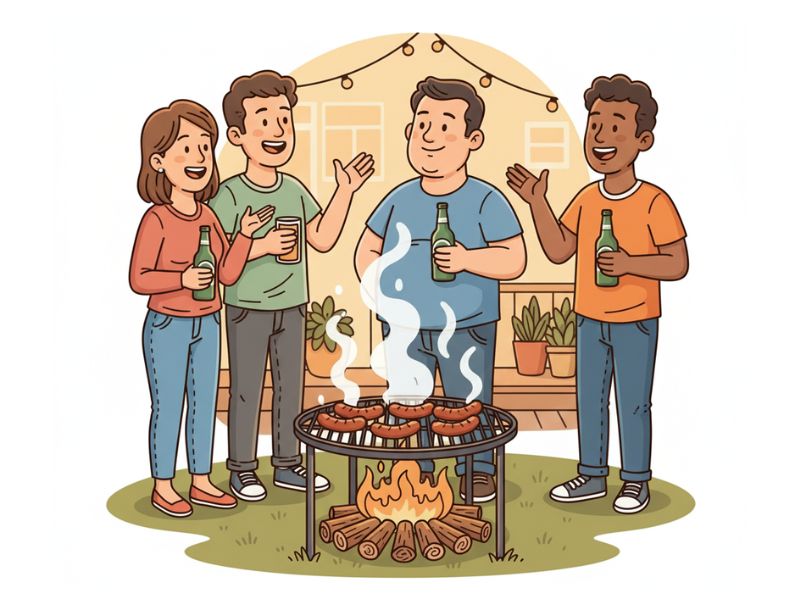
It’s Saturday night. Springboks won. You’re at the braai with your mates, Castle Lager in hand.
You’ve been good all week—walked after meals, skipped the late-night garage pie, even turned down the Woolworths croissants at the petrol station. Surely this one weekend reward won’t derail your prediabetes progress?
Does alcohol raise blood sugar? And more importantly—does your weekend beer undo the work you’ve been doing all week?
Here’s the honest answer: It’s complicated.
Alcohol doesn’t raise blood sugar the way food does. In fact, it can initially LOWER it. But what happens next—the rebound effect, the food choices that follow, the sleep disruption, the next-day cortisol spike—that’s where prediabetes risk actually lives.
By the end of this blog, you’ll understand:
- How alcohol affects blood sugar differently than food
- Why beer hits different than wine or spirits
- The next-day effect nobody warns you about
- What you can actually drink without sabotaging insulin sensitivity
I’m a Cape Town pharmacist with 18+ years helping people navigate prediabetes. I’ve seen the confusion around alcohol and blood sugar repeatedly. Here’s what the research actually shows—and what matters for your weekend choices.
Important note: This blog is written specifically for people managing prediabetes or Type 2 insulin resistance. If you are on insulin, sulfonylureas, or other diabetes medications, alcohol carries a significantly higher risk of dangerous hypoglycaemia. Please consult your doctor for personalised guidance before drinking.
Does Alcohol Raise Blood Sugar? The Mechanism Nobody Explains
Most people think: alcohol = sugar = blood sugar spike.
That’s not how it works.
What Actually Happens (Phase 1 – First 1-2 Hours):
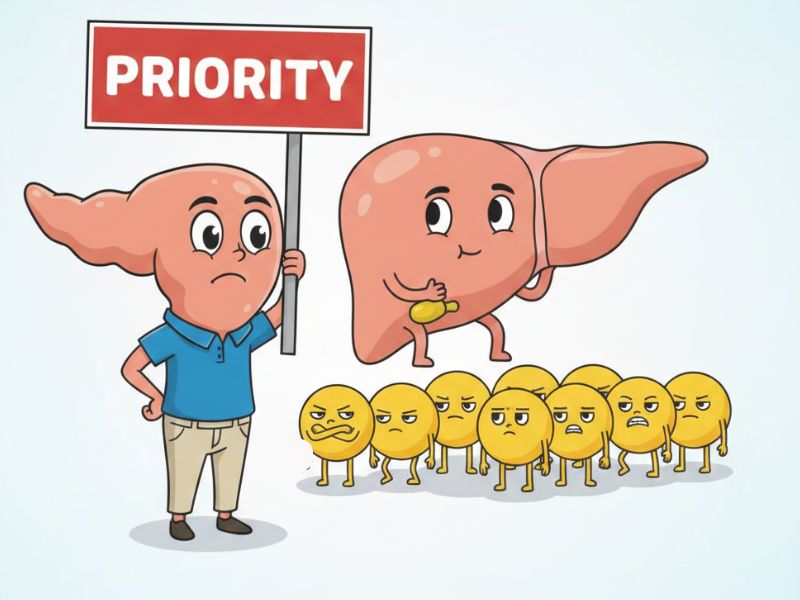
Your liver processes alcohol as a priority job. Everything else gets paused — including two critical processes: glycogenolysis (releasing stored glucose into your bloodstream) and gluconeogenesis (producing new glucose). Both get put on hold while your liver deals with the alcohol.
This is why blood sugar can actually DROP initially when you drink.
And this is also why some people with diabetes experience hypoglycaemia when drinking. The alcohol temporarily blocks the liver’s ability to maintain blood sugar levels.
So does alcohol raise blood sugar immediately? No. It often lowers it.
But here’s where it gets tricky.
What Happens Next (Phase 2 – The Rebound, 6-12 Hours Later):
Your liver finishes processing the alcohol. Now it needs to catch up on all the glucose-release work it paused.
Stored glucose releases in larger amounts as a compensatory effect. The result, blood sugar can spike 6-12 hours AFTER you stopped drinking.
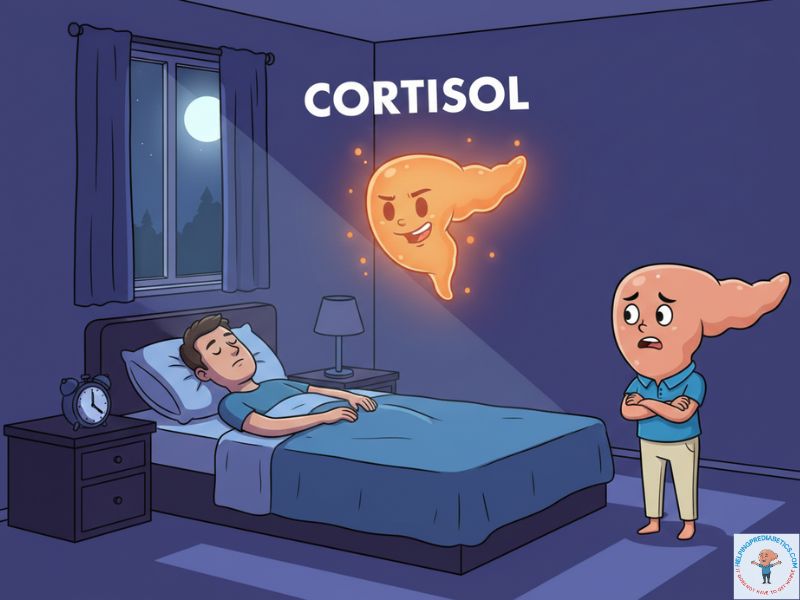
Here’s what makes this particularly significant: this spike often coincides with your body’s natural morning rise in cortisol and growth hormone—what’s known as the Dawn Phenomenon. Your blood sugar naturally rises in the early morning hours even without alcohol. Add the alcohol rebound on top of that, and the two forces combine to create a more significant morning high than either would produce alone.
This is the “next morning” effect most people never connect to the beer they had the night before.
Research shows alcohol’s effect on blood sugar is biphasic—initial decrease followed by delayed increase. The timing matters more than most people realise.
So does drinking alcohol raise blood sugar?
Not immediately. But 6-12 hours later? Yes. Often significantly—and amplified by your body’s own morning cortisol cycle.
Does Beer Raise Blood Sugar More Than Wine or Spirits?
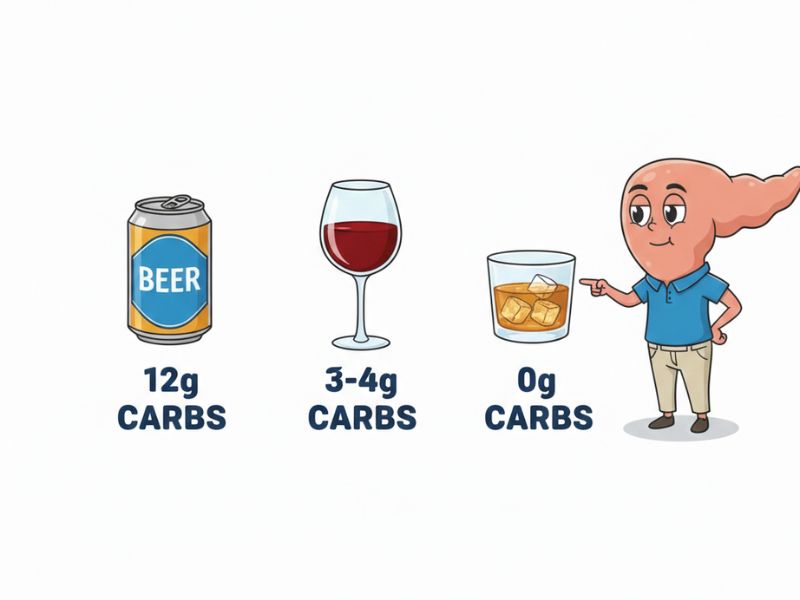
“If I’m going to drink, what’s the safest choice?”
Fair question. Let’s break it down.
BEER (Highest Blood Sugar Impact):
Beer contains residual carbohydrates from the brewing process.
Castle Lager? About 10 grams of carbs per 330ml bottle. Windhoek Lager? About 12 grams per bottle. (Note: carb counts vary by brand and brewing method—always check labels.)
Those carbs hit your bloodstream WHILE your liver is busy processing alcohol. Because beer is a liquid, those carbohydrates are absorbed faster than food—often producing a rapid initial glucose spike before your liver has even begun processing the alcohol properly. Your body is dealing with a double metabolic burden: alcohol processing AND rapid carbohydrate management simultaneously.
Can beer raise blood sugar? Yes. More than other alcoholic drinks.
WINE (Medium Impact):
Dry wine contains 3-4 grams of carbs per glass.
Sweet wine? 10-20 grams per glass depending on style. Late Harvest and dessert wines can hit 20+ grams.
Red versus white makes negligible difference for blood sugar. The main issue with wine is how easy it is to drink multiple glasses—and those carbs add up quickly.
Can wine increase blood sugar? Yes, especially if you’re having more than one glass.
SPIRITS (Lowest Direct Impact):
Vodka, whiskey, gin, brandy—zero grams of carbs.
The blood sugar impact from spirits comes from what you MIX them with, not the alcohol itself.
Brandy and Coke? That’s a sugar bomb—around 19 grams of sugar per serving.
Gin and regular tonic? That’s around 15 grams of sugar per cocktail—essentially a soft drink. A double measure with more tonic can easily push that toward 20 grams. Diet tonic is the zero-sugar alternative if you want the bubbles without the glucose spike.
Vodka and fresh orange juice? You just drank liquid sugar—orange juice alone contains around 8 grams of sugar per 100ml.
But vodka and soda water? Whiskey neat? Gin with diet tonic? Minimal carbohydrate impact.
Does liquor raise blood sugar on its own? No. But what you mix it with absolutely can.
Here’s What Most Advice Misses:
The TYPE of alcohol matters less than the CONTEXT around drinking.
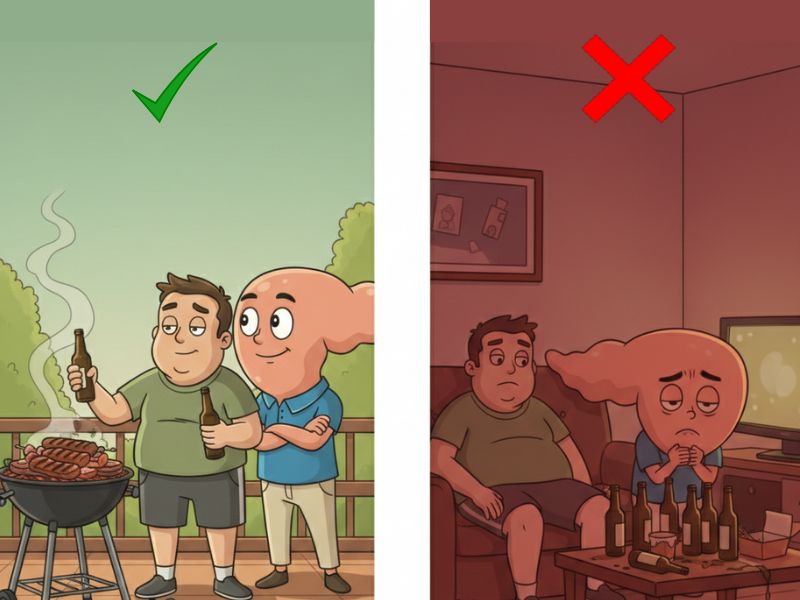
Two beers with a meal of boerewors and salad, followed by a normal night’s sleep and your usual Sunday morning walk? Manageable impact on insulin sensitivity.
Six beers on an empty stomach, late night, disrupted sleep, followed by a couch day and carb-heavy hangover breakfast? That amplifies insulin resistance for the next 24-48 hours.
Context beats content every time.
Does Alcohol Affect Blood Sugar The Next Day? (The Part Nobody Warns You About)
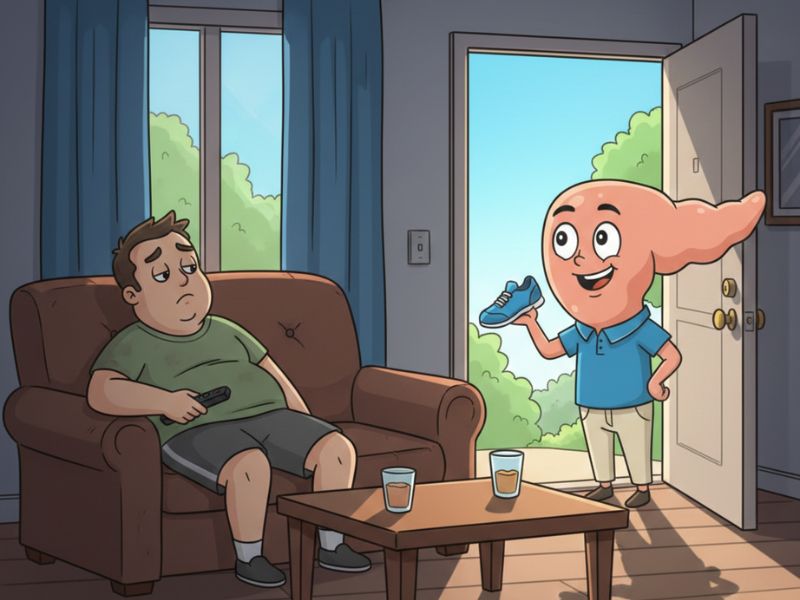
This is where weekend drinking actually sabotages prediabetes progress—and most people never connect the dots.
The Hangover Insulin Resistance Spike
It’s not just about the night you drank. It’s about what happens the morning after.
1. Sleep Disruption
Alcohol fragments your sleep architecture. Even if you “passed out” and slept 8 hours, the quality was terrible.
Poor sleep triggers a cortisol spike the next morning. Your body interprets inadequate rest as stress.
And cortisol plus existing insulin resistance? That’s an amplification effect. Your cells become even MORE resistant to insulin when you’re sleep-deprived and stressed.
2. Dehydration
Alcohol is a diuretic. You pee out more fluid than you consumed.
Dehydration concentrates blood glucose. Your body interprets this as additional stress, which means—you guessed it—more cortisol.
The stress hormone that makes insulin resistance worse.
3. The Hangover Food Choices
Sunday morning. You feel rough. What sounds good?
Greasy breakfast to “settle your stomach.” Carb-heavy comfort food. Multiple coffees with sugar. Maybe a Steers burger and chips for lunch.
These hit your system WHILE cortisol is elevated. Insulin resistance is already amplified from poor sleep and dehydration. Now you’re adding a massive glucose and insulin demand on top of it.
Your pancreas is working overtime while your cells are maximally resistant. This is the perfect storm for blood sugar dysfunction.
4. The Sedentary Recovery Day
“Too rough to move.”
You spend Sunday on the couch watching rugby replays. Maybe you order Uber Eats. Definitely not doing your usual walk.
Your muscles stay insulin-resistant because you’re not creating any glucose uptake through movement. The 15-minute walk that would normally help clear glucose from your bloodstream? Skipped.
Does alcohol affect blood sugar the next day?
Absolutely. And significantly.
Research shows alcohol consumption impairs glucose metabolism for 24-36 hours AFTER drinking stops. It’s not just Saturday night. It’s all of Sunday—and sometimes Monday morning too.
Your Saturday Night Braai Math:
Saturday night: 4-6 beers with chips and boerewors rolls
Sunday morning: carb-heavy breakfast while cortisol elevated
The rest of Sunday: couch recovery, zero movement
Sunday night: takeaway pizza
That’s 48 hours of amplified insulin resistance.
And you did this because you thought you “deserved a break” after being good all week.
The break just cost you two days of insulin sensitivity progress.
Can You Drink Alcohol With Prediabetes? The Honest Answer
Yes. But context determines whether it helps or hurts your insulin sensitivity.
Here’s what most people don’t know: research actually shows moderate alcohol consumption may reduce the long-term risk of Type 2 diabetes — probably through improved insulin sensitivity. So alcohol itself isn’t the enemy.
The problem is the pattern most of us actually follow on a South African weekend. Binge drinking, poor food choices, disrupted sleep, sedentary Sunday recovery. That pattern reverses any protective benefit and amplifies insulin resistance for 24-48 hours.
Context beats content every time.
The Framework: CONTEXT > CONTENT
Scenario 1 – Low-Impact Drinking:
1-2 standard drinks maximum (one standard drink = a 330ml beer, a 120ml glass of wine, or a 25ml nip of spirits—not a 500ml can of strong lager)
WITH a meal (protein and fat slow alcohol absorption)
Adequate water between drinks
Normal bedtime (sleep not severely disrupted)
Next day: you still do your Sunday morning walk, even if slower
Effect on insulin sensitivity: Minimal to negligible
Scenario 2 – High-Impact Drinking:
4+ drinks
On empty stomach or with carb-heavy snacks (chips, pizza, pap)
No water between drinks (dehydration amplified)
Late night (sleep severely disrupted, 2 AM bedtime)
Next day: sedentary recovery, carb-heavy comfort food, zero movement
Effect on insulin sensitivity: Significant amplification of insulin resistance for 24-48 hours
It’s not “Can I drink?”
It’s “Can I drink like THIS?”
The Pharmacist’s Perspective:
After 18+ years watching people navigate prediabetes, the ones who reverse it aren’t necessarily abstaining from alcohol completely.
They’re drinking differently:
Less frequently (not every weekend)
Smaller quantities (1-2 standard drinks, not 4-6)
Better context (with food, adequate hydration)
Maintained routines (still walk Sunday morning, even if the pace is slower)
The difference between “occasional drinker with improving insulin sensitivity” and “weekend drinker with worsening prediabetes” isn’t the alcohol itself.
It’s the 48-hour pattern around it.
What You Can Actually Do (Practical Protocol)
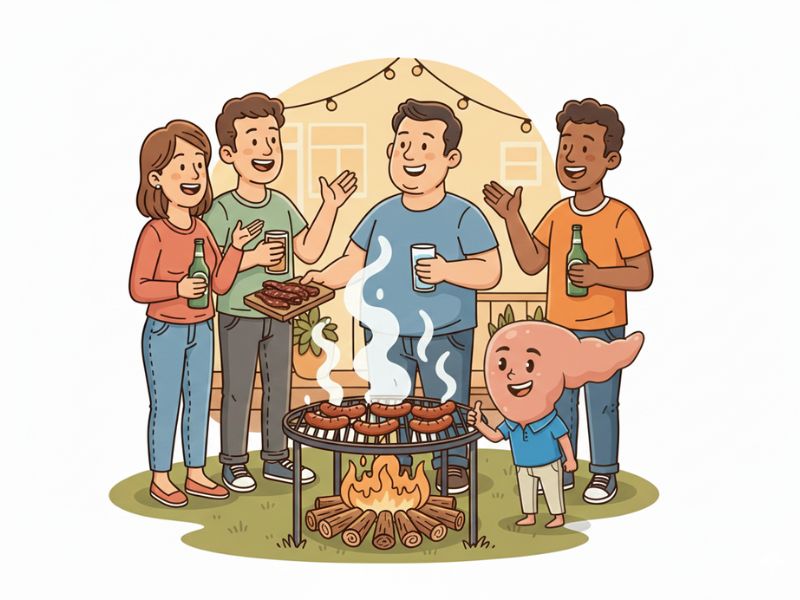
IF YOU’RE GOING TO DRINK:
Before:
Eat protein and fat first (biltong, cheese, boerewors—slows alcohol absorption and stabilises blood sugar)
Don’t drink on an empty stomach
Hydrate well during the day (not just when you start drinking)
During:
One glass of water for every alcoholic drink
Choose lower-carb options: spirits with soda water, dry wine, light beer
Avoid sugary mixers: Coke, regular tonic water, fruit juice, energy drinks
Set a limit BEFORE you start drinking (2 standard drinks maximum is ideal for insulin sensitivity)
After (The Next Morning – This Is Critical):
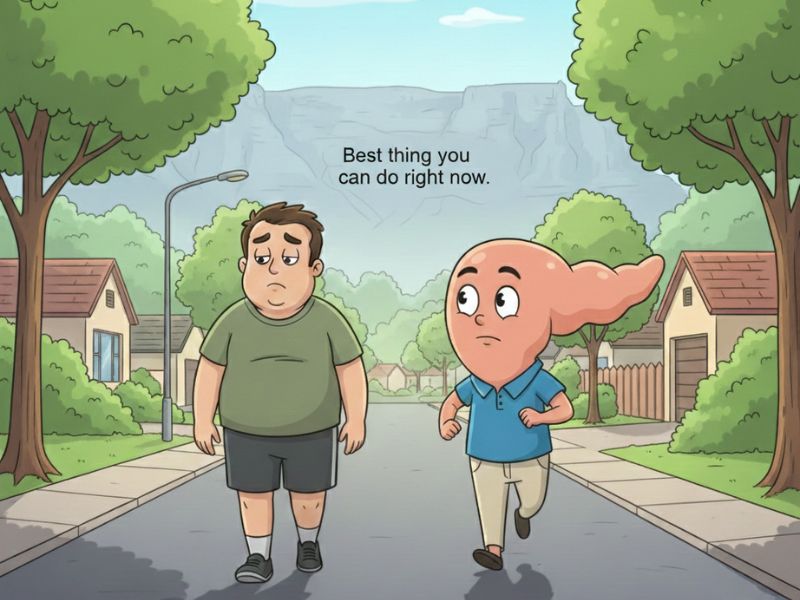
Force yourself to move, even if it’s just 15 minutes (helps insulin sensitivity more than you’d think)
Protein breakfast, not carb binge (eggs and avo, not vetkoek and jam). Protein stabilises blood sugar and helps regulate the cortisol hangover spike. Carbs just add another glucose demand to an already stressed system.
Continue hydration throughout the day
Avoid “hangover recovery” carb loading
The One Rule That Matters Most:
If you drink Saturday night, DON’T skip your Sunday morning walk.
That 15 minutes does more for insulin sensitivity than abstaining from alcohol would have done.
Movement after drinking is protective. Sedentary recovery after drinking is destructive.
The Bottom Line
Does alcohol raise blood sugar?
Not directly. But the cascade it creates—sleep disruption, cortisol spike, poor food choices, sedentary recovery—amplifies insulin resistance for 24-48 hours after drinking.
Does beer raise blood sugar more than wine or spirits?
Yes, because of residual carbs that absorb quickly as a liquid. But the difference is smaller than the impact of CONTEXT—how much you drink, how often, what you eat with it, and how you recover the next day.
Can you drink alcohol with prediabetes?
Yes. But the question isn’t “can I?”
The question is: “Can I drink in a way that doesn’t amplify insulin resistance?”
For you at the Saturday braai:
Two Castle Lagers with biltong and boerewors, normal sleep, Sunday morning walk even if slower = manageable impact.
Six beers on empty stomach, late night, Sunday couch day with carb binge = insulin resistance amplified.
The alcohol isn’t the enemy.
The metabolic burden of the pattern around it is.
Want to understand exactly how to restore insulin sensitivity — even when life includes Saturday braais and rugby weekends?
Your Body Is Talking: A Pharmacist’s Guide to Stopping Prediabetes is a free guide that explains exactly what’s happening — and what to do about it. No meal plans. No shame. Just clarity.
References
Avogaro A, Beltramello P, Gnudi L, et al. Alcohol intake impairs glucose counterregulation during acute insulin-induced hypoglycemia in IDDM patients: evidence for a critical role of free fatty acids. Diabetes. 1993;42(11):1626-1634. https://pubmed.ncbi.nlm.nih.gov/8405705/
Pietraszek A, Gregersen S, Hermansen K. Alcohol and type 2 diabetes. A review. Nutr Metab Cardiovasc Dis. 2010;20(5):366-375. https://pubmed.ncbi.nlm.nih.gov/20556883/
Greenfield JR, Samaras K, Jenkins AB, Kelly PJ, Spector TD, Campbell LV. Moderate alcohol consumption, dietary fat composition, and abdominal adiposity in women: evidence for gene-environment interaction. J Clin Endocrinol Metab. 2003;88(11):5381-5386. https://pubmed.ncbi.nlm.nih.gov/14602777/