

You’re trying to reverse insulin resistance. Your doctor said exercise for insulin resistance helps. Maybe even mentioned “just 30 minutes a day.”
But which exercise? Cardio? Weights? Walking? High-intensity intervals? Morning or evening? Before meals or after?
And if you’re working 9-hour retail shifts, standing all day, does that count? Or do you need something more?
Here’s what the research actually shows about exercise for insulin resistance—and how to make it work when you’re already exhausted.
The short answer: Resistance training improves insulin sensitivity most effectively, followed by walking (especially after meals) and high-intensity interval training. But the best exercise is the one you’ll actually do consistently—even 10 minutes matters more than zero.
I’m a Cape Town pharmacist with 18+ years helping people navigate prediabetes and insulin resistance. I’ve watched hundreds of people get generic “exercise more” advice without understanding which type of movement actually improves insulin sensitivity—or how to fit it into real life when you’re working long hours, already tired, and your body is fighting weight loss.
Here’s what actually helps your cells respond to insulin again.
What Is Insulin Resistance (And Why Exercise For Insulin Resistance Helps)
Insulin resistance means your cells have stopped responding normally to insulin. When you eat carbohydrates, your blood sugar rises. Your pancreas releases insulin to move that sugar from your bloodstream into your cells for energy.
But when cells become resistant, they ignore insulin’s signal. Think of it like Pancreas Pete (your hardworking pancreas) trying to get the attention of cells that have stopped listening. Pete keeps shouting louder and louder, releasing more insulin to force the job done. Blood sugar stays elevated longer. Pete works harder and harder.
Over time: higher insulin levels, stubborn weight gain (especially belly fat), constant hunger, afternoon energy crashes, and eventually prediabetes or Type 2 diabetes.
Exercise reverses this at the cellular level.
When muscles contract during movement, they pull glucose from your bloodstream WITHOUT needing insulin. Your cells literally bypass the broken insulin signaling pathway—they respond to movement even when they’ve stopped listening to Pete’s signals.
Regular exercise also:
- Increases the number of glucose transporters on cell surfaces
- Improves mitochondrial function (your cells’ energy factories)
- Reduces inflammation that blocks insulin signaling
- Decreases visceral fat (the dangerous belly fat around organs)
This isn’t about burning calories. It’s about making your cells insulin-sensitive again—helping Pete do his job without having to work so hard.
The Best Exercise for Insulin Resistance (Research-Backed Rankings)
Not all exercise affects insulin sensitivity equally. Here’s what research shows works best:
#1: Resistance Training For Insulin Resistance (Weight Training, Bodyweight Exercises)

Multiple studies show resistance training improves insulin sensitivity more than cardio alone.
Why it works:
- Builds muscle mass (muscle is the primary site for glucose disposal)
- Creates micro-tears that require glucose for repair (lowers blood sugar for 24-48 hours after training)
- Increases GLUT4 transporters (the cellular “doors” that let glucose in)
- Improves insulin sensitivity for up to 72 hours per session
In fact, you don’t need a gym. Bodyweight squats, push-ups, lunges, and resistance bands work.
#2: Walking To Improve Insulin Resistance (Especially After Meals)
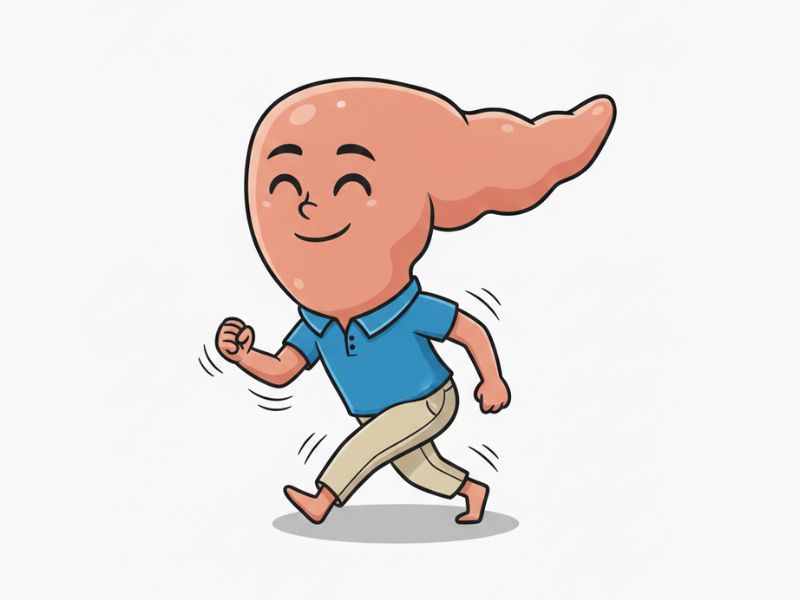
Walking is massively underrated for insulin resistance.
Research shows that walking after meals lowers blood sugar more effectively than walking at unspecified times—the timing of your walk matters as much as the duration.
Why post-meal walking works:
- Muscles use glucose immediately when blood sugar is highest
- Reduces the insulin spike your pancreas must produce
- Prevents glucose from being stored as fat
- Works even at low intensity (no need to power-walk)
If you’re working retail shifts that involve standing and walking all day, that scattered movement is beneficial—but it’s not the same as concentrated post-meal activity. The timing matters.
#3: High-Intensity Interval Training (HIIT) and Insulin Resistance

Short bursts of intense exercise (30 seconds hard, 90 seconds recovery, repeat) improve insulin sensitivity quickly.
Studies show significant improvements in as little as 2 weeks with just 3 sessions per week.
Why HIIT works:
- Depletes muscle glycogen stores rapidly (creates urgent need for glucose uptake)
- Triggers beneficial metabolic stress
- Improves mitochondrial function
- Time-efficient (10-20 minute sessions)
But: HIIT is demanding. If you’re already exhausted from work, it’s not sustainable. Effective is not always practical.
How Much Exercise To Reverse Insulin Resistance Do You Actually Need?
Research shows measurable improvement in insulin sensitivity with:
- Minimum effective dose: 10 minutes of movement after your largest meal
- Moderate improvement: 150 minutes per week (30 minutes, 5 days)
- Maximum benefit: 3-4 resistance training sessions + daily walking
But here’s what matters more than hitting perfect numbers: consistency beats intensity.
Three 10-minute walks per week you actually do is better than perfectly planned 60-minute gym sessions you skip.
Start where you are:
- Week 1-2: 10-minute walk after dinner (just one meal)
- Week 3-4: Add 10-minute walk after lunch
- Week 5-6: Add 2 days of bodyweight exercises (squats, push-ups, 10 minutes)
- Week 7+: Build from there based on energy and schedule
Maybe you’re working 9-hour shifts, standing all day. After work, you’re exhausted. Telling you “just do 30 minutes of cardio” ignores reality.
More realistic: 10-minute walk after dinner (non-negotiable), bodyweight squats while the kettle boils (2 minutes), resistance band exercises during Sunday meal prep (15 minutes).
Little. Often. Sustainable.
Want the complete framework for reversing insulin resistance?
Your Body Is Talking: A Pharmacist’s Guide to Stopping Prediabetes is a free guide that explains exactly what’s happening — and what to do about it. No meal plans. No shame. Just clarity.
When to Exercise for Maximum Insulin Sensitivity

Timing matters more than most people realize.
Best times for insulin resistance:
1. After Meals (Especially Dinner)
- Blood sugar peaks 60-90 minutes after eating
- Walking during this window prevents the spike
- Reduces insulin demand on your pancreas—you’re helping Pete when he needs it most
- Even 10 minutes makes measurable difference
2. Morning (Fasted or Fed—Both Work)
- Fasted exercise may improve insulin sensitivity slightly more
- But fed exercise is easier to sustain if you’re tired
- Consistency matters more than fasting status
3. Evening (If That’s When You’ll Actually Do It)
- Evening exercise improves next-morning insulin sensitivity
- Better to exercise at night than not at all
- Sleep quality may be affected for some people (test it)
Worst time: When you’re so exhausted you’ll skip it tomorrow because today felt too hard.
If you finish work at 6 PM exhausted, telling you to wake up at 5 AM for fasted cardio is a recipe for quitting by Week 2.
Better: 10-minute walk after dinner (8 PM). Bodyweight squats while Sunday lunch cooks. Resistance band routine on your day off when energy is higher.
Match exercise to your life, not Instagram fitness influencers’ schedules.
What If You’re Too Tired to Exercise?
This is the real question for most people with insulin resistance.
You’re working full-time. Insulin resistance is making you tired (disrupted energy metabolism). Your body is fighting weight loss (elevated insulin locks fat storage). The last thing you want after a long day is a workout.
Here’s what actually helps:
1. Redefine “Exercise”
Exercise doesn’t mean gym sessions, workout clothes, and sweating.
It means: moving your muscles enough to pull glucose from your bloodstream.
That can be:
- Bodyweight squats while the kettle boils (2 minutes)
- Walking to the corner shop instead of driving (8 minutes)
- Taking stairs instead of elevator (3 minutes)
- Resistance band exercises during TV ads (5 minutes)
- Cleaning the house with intentional effort (15 minutes)
2. Start Embarrassingly Small
Don’t start with “30 minutes, 5 days per week.”
Start with: 5 squats after dinner. That’s it.
Next week: 10 squats. Week after: 10 squats + 5 push-ups (against the counter if needed).
Consistency builds capacity. Capacity allows you to do more. Doing more improves insulin sensitivity. Better insulin sensitivity gives you more energy.
The cycle reverses, but you have to start small enough to not quit.
3. Use Insulin Resistance Reversal to Build Energy
Exercise improves insulin sensitivity. Better insulin sensitivity improves energy metabolism. Better energy metabolism gives you more energy to exercise.
- Month 1: Exercise feels hard, but you do it anyway (small doses)
- Month 2: You notice slightly more energy on days you move
- Month 3: Exercise starts feeling less like punishment
- Month 6: You have energy you didn’t have 6 months ago
You’re not tired because you’re lazy. You’re tired because insulin resistance is disrupting your cellular energy production.
Exercise is part of fixing that, but it has to be sustainable while you’re still tired.
Combining Exercise with Other Insulin Resistance Strategies
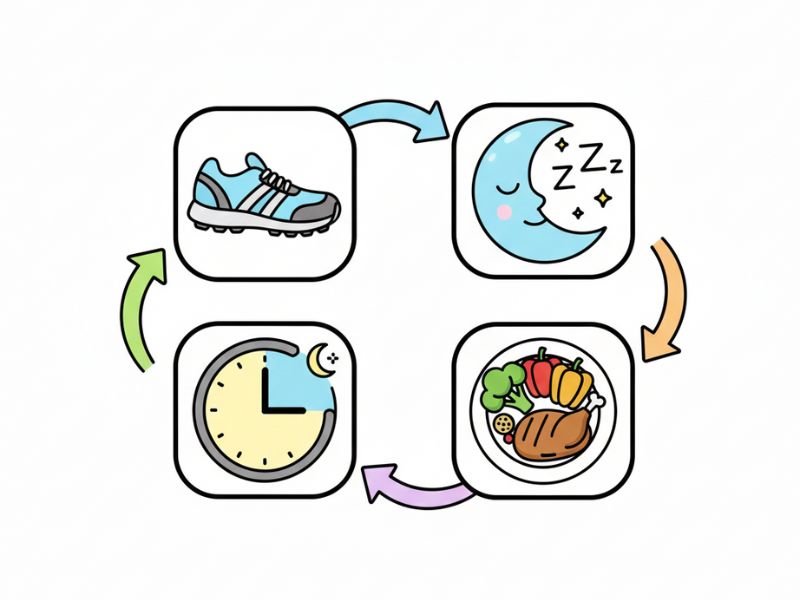
Exercise alone helps. But combined with other strategies, the effect compounds.
Exercise + Intermittent Fasting
- Fasting gives your pancreas rest (lowers baseline insulin)—Pancreas Pete finally gets a break from constant work
- Exercise improves insulin sensitivity
- Together: faster reversal of insulin resistance than either alone
- Start with 12-hour overnight fast, add post-meal walks
Exercise + Low-Carb Eating
- Lower carb intake reduces insulin demand
- Exercise increases insulin sensitivity
- Together: significant improvement in 3-6 months
- You don’t need keto—just reducing refined carbs helps
Exercise + Stress Management
- Chronic stress raises cortisol (worsens insulin resistance)
- Exercise reduces stress hormones
- Together: addresses multiple drivers of insulin resistance simultaneously
Exercise + Better Sleep
- Poor sleep worsens insulin resistance by 30%+
- Exercise improves sleep quality
- Together: creates positive feedback loop
For detailed breakdown of how insulin resistance traps fat and drives hunger (and what reverses it), read: How to Lose Weight If You Are Insulin Resistant
For understanding what insulin actually does in your body (and why it becomes a problem), read: What Does Insulin Do to Your Body
For detailed breakdown of how insulin resistance causes weight gain, read: Does Insulin Resistance Cause Weight Gain
The Realistic Timeline for Exercise Improving Insulin Sensitivity
Don’t expect overnight transformation. But do expect measurable progress faster than you think.
Week 1-2:
- Blood sugar slightly lower after post-meal walks
- Not dramatic, but measurable if you test
Month 1:
- Insulin sensitivity improving (won’t feel it, but it’s happening)
- Slightly more energy on days you exercise
- Post-meal blood sugar spikes smaller
Month 2-3:
- Noticeable energy improvement
- Weight loss might start (if combined with diet changes)
- Exercise feels less exhausting than it did Week 1
Month 4-6:
- Significant improvement in insulin sensitivity (measurable via fasting insulin test or HOMA-IR)
- Clothes fitting differently
- Better sleep, more stable energy throughout day
Month 12:
- Insulin resistance potentially reversed (depending on severity and consistency)
- New baseline established
- Exercise feels normal, not like punishment
This isn’t 30-day transformation content. It’s real biology.
But it works. Consistently.
For how to test insulin resistance at home and track your progress, read: Insulin Resistance Test at Home
Common Mistakes That Sabotage Exercise Benefits
Mistake #1: Going Too Hard Too Fast
Starting with intense workouts when you’re insulin resistant and exhausted = burnout by Week 2.
Better: 10 minutes daily you can sustain is better than 60 minutes twice that you quit.
Mistake #2: Exercising at Random Times Instead of After Meals
All movement helps, but post-meal movement helps MORE for insulin resistance.
15 minutes after dinner is better than 45 minutes at random time for blood sugar control.
Mistake #3: Only Doing Cardio (Ignoring Resistance Training)
Cardio burns calories. Resistance training builds muscle (the primary site for glucose disposal).
For insulin resistance: resistance training is better than cardio alone.
Mistake #4: Waiting for Motivation
Motivation follows action, not the other way around.
You won’t feel motivated while insulin resistant. You’ll feel tired.
Do it anyway (small doses). Energy improves. Then motivation appears.
Mistake #5: Ignoring Diet
You can’t out-exercise a diet that’s constantly spiking insulin.
Exercise + intermittent fasting + reduced refined carbs = reversal.
Exercise alone while eating 6 small carb-heavy meals = minimal progress.
For why standard “eat 6 small meals” advice fails when you’re insulin resistant, read: How to Lose Weight If You Are Insulin Resistant
Why Rest Days Matter for Insulin Resistance
You might think “more exercise = faster results.” But with insulin resistance, rest is when the magic happens.
Here’s what happens during rest days:
Muscle Repair Builds Insulin Sensitivity
When you do resistance training, you create micro-tears in muscle tissue. During the 24-48 hours after exercise, your body repairs those tears—and that repair process requires glucose.
This is why a single strength session improves insulin sensitivity for up to 72 hours. The benefit happens DURING REST, not during the workout itself.
Overtraining Worsens Insulin Resistance
Exercise creates beneficial stress. But too much stress—without recovery—raises cortisol chronically.
High cortisol:
- Increases blood sugar
- Promotes fat storage (especially belly fat)
- Worsens insulin resistance
- Makes you exhausted
If you’re already working long shifts and managing life stress, adding intense daily exercise without rest can backfire. You’re piling stress on stress.
The Sweet Spot for Insulin Resistance
Research shows the optimal pattern:
- 2-3 resistance training sessions per week (with rest days between)
- Daily light movement (walking—this doesn’t require rest days)
- At least 1 full rest day per week (no structured exercise)
This gives muscles time to repair, cortisol time to drop, and your nervous system time to recover.
Even Pete Needs a Break
Remember: insulin resistance happened partly because your pancreas (Pete) has been working 24/7 without rest.
Your muscles need the same thing Pete needs—periods of demand followed by periods of recovery.
Push. Rest. Repeat.
Not push. Push. Push. Burnout.
What to Do Next: Your First Week of Exercise for Insulin Resistance

Day 1-3: Establish Baseline
- 10-minute walk after dinner
- Notice how you feel (energy, sleep, hunger next morning)
- Track post-meal blood sugar if you have a glucometer
Day 4-7: Add Minimal Resistance
- Continue 10-minute post-dinner walk
- Add: 5 bodyweight squats before breakfast (literally just 5)
- Add: 5 counter push-ups while kettle boils
Week 2: Build Slightly
- 10-minute walk after dinner (non-negotiable anchor habit)
- 10 squats before breakfast
- 10 counter push-ups
- 10-minute walk after lunch (if schedule allows)
Week 3-4: Establish Rhythm
- Post-meal walks (at least dinner, ideally lunch too)
- Bodyweight resistance 2-3 days per week (10 minutes)
- One slightly longer walk on day off (20-30 minutes)
Month 2+: Progress Based on Energy
- If energy improving: add resistance band exercises, increase reps
- If still exhausted: maintain Week 4 level (it’s working even if slow)
- If schedule chaotic: protect the 10-minute post-dinner walk above all else
Little. Often. Sustainable.
Not perfect. Progressing.
Medical Disclaimer
This information is educational and based on published research on exercise and insulin resistance. It is not medical advice. Consult your healthcare provider before starting any exercise program, especially if you have existing health conditions, take medications (particularly insulin or diabetes medications that can cause low blood sugar), or experience pain, dizziness, or unusual symptoms during exercise.
If you experience signs of low blood sugar during or after exercise (shakiness, confusion, rapid heartbeat, extreme hunger), stop immediately and consume fast-acting carbohydrates.
References
1. Resistance Training & Insulin Sensitivity: Ibañez J, Izquierdo M, Argüelles I, et al. Twice-weekly progressive resistance training decreases abdominal fat and improves insulin sensitivity in older men with type 2 diabetes. Diabetes Care. 2005;28(3):662-667. doi:10.2337/diacare.28.3.662 https://diabetesjournals.org/care/article/28/3/662/27636/Twice-Weekly-Progressive-Resistance-Training
2. Post-Meal Walking: Reynolds AN, Mann JI, Williams S, Venn BJ. Advice to walk after meals is more effective for lowering postprandial glycaemia in type 2 diabetes mellitus than advice that does not specify timing: a randomised crossover study. Diabetologia. 2016;59(12):2572-2578. doi:10.1007/s00125-016-4085-2 https://pubmed.ncbi.nlm.nih.gov/27747394/
3. HIIT & Insulin Sensitivity: Little JP, Gillen JB, Percival ME, et al. Low-volume high-intensity interval training reduces hyperglycemia and increases muscle mitochondrial capacity in patients with type 2 diabetes. J Appl Physiol. 2011;111(6):1554-1560. doi:10.1152/japplphysiol.00921.2011 https://pubmed.ncbi.nlm.nih.gov/21868679/