
That anxious feeling after eating isn’t just in your head – especially when you’re stress eating through another brutal retail shift. You grab a pie from the café next door, wolf it down between customers, and twenty minutes later you feel jittery, worried, and somehow worse than before. Sound familiar? If you’re experiencing anxiety after eating, your body might be sending you warning signs that go way beyond just feeling uncomfortable. Your stress eating habits could actually be making you sick in ways you never realized.
Why Stress Eating Triggers Anxiety After Eating
When you’re managing difficult customers, dealing with stock shortages, and worrying about hitting targets, food becomes your quick comfort fix. But that stress eating creates a cycle – you eat to feel better, then feel anxious after eating, which makes you want to eat again.
Your body isn’t designed to handle this constant stress-eat-anxiety loop. When you’re in survival mode at work (dealing with angry customers, pressure from management), your body releases stress hormones. Add comfort food on top of that, and your blood sugar spikes and crashes, creating that anxious, jittery feeling after meals.
This isn’t your fault – your body is just trying to cope with an impossible situation.
Understanding how stress affects your blood sugar is crucial. If you’re wondering whether your symptoms might be related to insulin resistance, learn how to test for insulin resistance at home using simple methods that don’t require a doctor’s visit.
The 6 Warning Signs Your Stress Eating Could Be Making You Sick

Warning Sign 1: You Feel Wired But Tired After Meals
You know that feeling – you’ve just demolished a toasted sandwich and chips during your lunch break, but instead of feeling satisfied, you feel both exhausted and anxious after eating. Your heart might be racing a bit, but you also want to put your head down on the counter.
This happens because stress eating usually means grabbing high-sugar, processed foods that spike your blood sugar fast, then crash it just as quickly. Your body goes from ‘sugar high’ to ‘sugar crash’ within an hour, leaving you feeling anxious, tired, and craving more food.
If this sounds like your typical lunch break, your body might be struggling to handle these blood sugar roller coasters – an early warning sign of prediabetes.
Warning Sign 2: You’re Always Thirsty at Work
Are you constantly reaching for water, cold drinks, tea or coffee during your shift? Feeling like you can’t get enough liquid no matter how much you drink?
When you’re stress eating regularly – especially sugary snacks and drinks – your body tries to dilute all that extra sugar by pulling water from your tissues. This makes you incredibly thirsty, even though you’ve been drinking all day.
It’s not just wanting a sip now and then. We’re talking about feeling like your mouth is always dry, especially after those comfort food sessions when work gets overwhelming.
These thirst patterns aren’t random – they’re directly connected to how your body processes sugar. Many people experiencing these symptoms also deal with other metabolic concerns. If you’ve been prescribed medication for related issues, you might want to understand how metformin affects erectile dysfunction and other aspects of metabolic health.
Warning Sign 3: You’re Running to the Bathroom More Often
Going hand-in-hand with that constant thirst, you might notice you’re making more trips to the bathroom – including waking up during the night when you never used to.
This happens because your kidneys are working overtime to filter out the extra sugar from your stress eating habits. They pull more water to help flush it out, which creates more urine.
Your colleagues might be giving you looks for taking bathroom breaks, but this isn’t something you can control when your body is trying to cope with blood sugar chaos.

Warning Sign 4: Your Energy Crashes Hit Different Now
That 3pm slump used to be manageable – maybe just needing a coffee. But now? After stress eating your way through a difficult morning, that energy crash feels like hitting a brick wall. You’re not just tired, you feel completely drained, foggy, and almost shaky.
This isn’t normal tiredness from a long shift. When your body can’t properly process the sugar from stress eating, your cells aren’t getting the energy they need. It’s like your car having a full tank of petrol but a clogged fuel line – the engine (your body) isn’t getting what it needs to run properly.
You might find yourself needing multiple energy drinks just to get through the day, or feeling exhausted even after a full night’s sleep.
Warning Sign 5: You’re Gaining Weight Around Your Middle (Even Though You’re Always Moving)
You’re on your feet all day, walking the shop floor, lifting stock, staying busy – so why are your work pants getting tighter around the waist?
Stress eating combined with the stress hormones your body produces during those difficult shifts tends to store fat right around your belly. This ‘stress belly’ is particularly linked to insulin resistance – your body’s early warning system before prediabetes develops.
If you notice your uniform fitting differently around the middle, even though you’re as active as always, your body might be struggling to handle the combination of work stress and comfort eating.
Warning Sign 6: Your Vision Gets Blurry After Eating
Ever notice words on your computer screen or price tags getting fuzzy after lunch? Or finding yourself squinting at paperwork after a quick snack break?
When you’re regularly stress eating, especially sugary or high-carb comfort foods, your blood sugar spikes can cause fluid changes in your eyes. This affects your ability to focus clearly.
You might think you need new glasses, but if this blurriness comes and goes – especially after meals – it could be your body’s way of telling you that anxiety after eating is actually a blood sugar problem.
What Your Body Is Really Trying to Tell You

Here’s what’s actually happening: you’re not weak, lazy, or broken. Your body is doing exactly what it’s designed to do when it’s stuck in survival mode.
When you’re dealing with difficult customers, pressure from management, and worrying about job security, your body thinks it’s under attack. It releases stress hormones that make you crave quick energy – usually sugar and comfort foods. This worked great for our ancestors who needed quick energy to run from danger, but it’s not so helpful when the ‘danger’ is an eight-hour retail shift.
The problem is, this survival response combined with modern processed foods creates a perfect storm. Your stress eating triggers blood sugar spikes that your body struggles to handle, especially when you’re doing this day after day, shift after shift.
That anxiety after eating? It’s not just nerves – it’s your body’s alarm system telling you this cycle is wearing it down.
This stress-eating-anxiety pattern often intensifies at specific times of day. Many people find late-night sugar cravings particularly hard to resist when stress hormones disrupt normal sleep patterns.
Feeling overwhelmed by these warning signs?
Your Body Is Talking: A Pharmacist’s Guide to Stopping Prediabetes is a free guide that explains exactly what’s happening — and what to do about it. No meal plans. No shame. Just clarity.
Why This Matters More Than You Think
You might be thinking, ‘It’s just anxiety after eating, I can deal with it.’ But here’s the reality: nearly 1 in 3 South African adults has prediabetes, and 8 out of 10 don’t even know they have it.
What starts as stress eating and post-meal anxiety can quietly progress into prediabetes, then type 2 diabetes. Once you have diabetes, you’re looking at daily medication, regular blood sugar testing, and potentially serious complications down the road.
The good news? Right now, while you’re just experiencing anxiety after eating and these warning signs, you can still turn this around. You’re getting early warnings, not a life sentence.
Simple Changes That Actually Work for Busy Retail Workers
Start With Your Break Habits
You can’t change your work stress overnight, but you can change how you fuel your body during those stressful shifts.
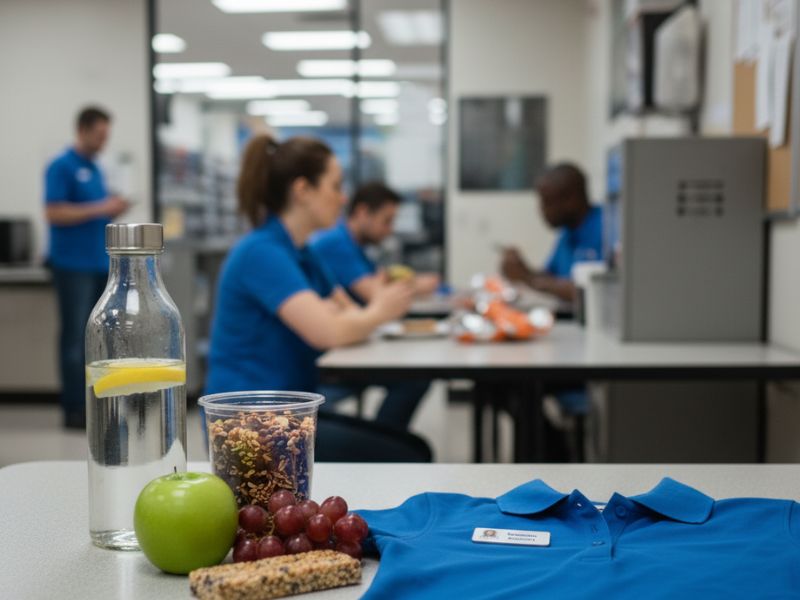
Instead of grabbing a pie and Coke when you feel overwhelmed, try pairing your comfort food with something that slows down the blood sugar spike. Add a boiled egg to that sandwich, or have some biltong with your chips. You’re not giving up everything you like – you’re just giving your body a fighting chance.
Keep water or unsweetened rooibos tea at your workstation instead of energy drinks. When you feel that stress-eating urge hit, drink something first, then eat. Sometimes that anxious ‘hungry’ feeling is actually your body asking for hydration.
Move During Your Shift (When Possible)
You’re already moving around the store, but try to add a few extra steps when you can. Take the long way to the stockroom. Do a quick walk around the shop floor when you feel that post-meal anxiety kicking in.
Even five minutes of movement after eating can help your body handle blood sugar better. If you can’t leave your section, try some calf raises or shoulder rolls while you’re standing. Your body needs to move that sugar into your muscles instead of letting it sit in your bloodstream creating anxiety.
Manage the Cycle, Not Just the Symptoms
The real game-changer is recognizing the pattern before it starts. When you feel that familiar work stress building – difficult customer, problem with stock, pressure from management – that’s your cue.
Instead of waiting until you’re overwhelmed and reaching for comfort food, try this: take three deep breaths, remind yourself ‘this feeling will pass,’ and have something small and protein-rich ready. A handful of nuts, a piece of cheese, even a hard-boiled egg.
You’re not trying to become perfect. You’re just trying to break the stress-eat-anxiety cycle that’s wearing your body down.
When to Get Help (And It’s Easier Than You Think)
You don’t need to overhaul your entire life starting tomorrow. Small, consistent changes work better than dramatic ones you can’t maintain.
This week, just pay attention to how you feel after eating. Notice the patterns – which foods make that anxiety after eating worse, which ones leave you feeling steadier.
Next week, maybe try one small change: add protein to one meal, or swap one sugary drink for water. The goal isn’t perfection – it’s progress.
Your body is trying to tell you something important through that anxiety after eating and these warning signs. The good news is, you’re hearing the message early enough to do something about it.
Conclusion
You’re getting the warning while there’s still time to act. That anxiety after eating, the constant thirst, the energy crashes – these aren’t life sentences. They’re your body’s early warning system telling you the stress-eating cycle needs to change before it becomes something harder to reverse.
You’ve already taken the first step by recognizing these patterns. Now it’s about making small, sustainable changes that work with your real life, not against it. If you’re wondering whether your symptoms indicate insulin resistance developing, learn how to recognize the warning signs your body’s already showing you.
Your future self – and your family – will thank you for paying attention to these early warning signs.

Call to Action: Ready to break the cycle? Start by tracking how you feel after meals for just one week. You might be surprised by what patterns you notice.
Medical Disclaimer
This blog post is for educational and informational purposes only and is not intended as medical advice. I am a licensed pharmacist sharing evidence-based health information, but I am not your healthcare provider.
If you have been diagnosed with insulin resistance, prediabetes, diabetes, or any other medical condition, consult with your doctor or qualified healthcare professional before making changes to your diet, exercise routine, or medication regimen. Individual health circumstances vary, and what works for one person may not be appropriate for another.
The information provided here is based on current scientific understanding and clinical evidence, but it does not replace personalized medical guidance from a healthcare provider who knows your complete medical history.
If you experience any concerning symptoms or have questions about your specific health situation, please seek professional medical advice.